

The psychology behind high-stakes gambling What drives risk-taking behavior
The Allure of Risk in High-Stakes Gambling
The thrill of high-stakes gambling often stems from the inherent risks involved. Players are drawn to the possibility of winning large sums of money, and this potential for financial gain can create a powerful psychological pull. The excitement generated by risk often triggers the brain’s reward system, releasing dopamine, a neurotransmitter associated with pleasure. This chemical reaction not only enhances the experience but also compels individuals to seek out the thrill repeatedly, often leading to a cycle of risk-taking behavior. In exploring these opportunities, many discover new no deposit casinos that provide enticing features for play.

Moreover, the social aspects of gambling can amplify this allure. Many high-stakes gamblers enjoy the camaraderie that comes from being in a competitive environment, surrounded by others who share their passion for risk. This communal experience can further heighten the excitement and encourage riskier bets, as players may feel emboldened by their peers or influenced by the collective atmosphere of the gambling venue.
The Influence of Luck and Skill
The interplay between luck and skill is a crucial factor that shapes the psychology of gamblers. In high-stakes environments, the perception of control can significantly impact a player’s decision-making process. While many games rely heavily on chance, skilled players often believe that their abilities can influence the outcome, fostering a sense of empowerment. This belief can be intoxicating, as it tempts individuals to take greater risks, convinced that their skill will eventually lead to success.
However, the notion of luck can also be a double-edged sword. Many gamblers misinterpret short-term wins as a sign of skill rather than pure chance, which can lead to overconfidence and increased stakes. The unpredictability of gambling outcomes serves to heighten the excitement but can also foster a dangerous cycle of chasing losses, where individuals continue to gamble in hopes of reversing unfavorable outcomes.
The Role of Cognitive Biases
Cognitive biases play a significant role in shaping gambling behavior, especially in high-stakes scenarios. One common bias is the illusion of control, where gamblers mistakenly believe they can influence outcomes in games of chance. This belief can lead to riskier behavior, as players may take larger bets, believing their skills will tip the odds in their favor. Additionally, the availability heuristic causes individuals to overestimate the likelihood of recent wins, further encouraging impulsive decisions.
These cognitive distortions are often reinforced by the environment of high-stakes gambling. The bright lights, sounds, and social interactions can create a heightened emotional state, leading players to act irrationally. Understanding these biases can help gamblers recognize the psychological traps they may fall into, potentially guiding them toward more informed decision-making.
The Impact of Emotional States on Gambling Behavior
Emotions play a pivotal role in gambling decisions, especially in high-stakes contexts. Feelings of excitement, stress, or even boredom can influence how individuals engage with gambling. For instance, a player in a euphoric state may feel invincible, driving them to make larger bets, while someone experiencing anxiety may resort to gambling as a coping mechanism. This emotional rollercoaster can make it difficult for gamblers to maintain a level-headed approach to risk management.
Furthermore, the aftermath of losing can evoke a range of emotions, from anger to sadness, which can perpetuate a cycle of gambling to recover losses. This emotional link can cloud judgment and lead to reckless behavior, underscoring the need for awareness of one’s emotional state when participating in high-stakes gambling.
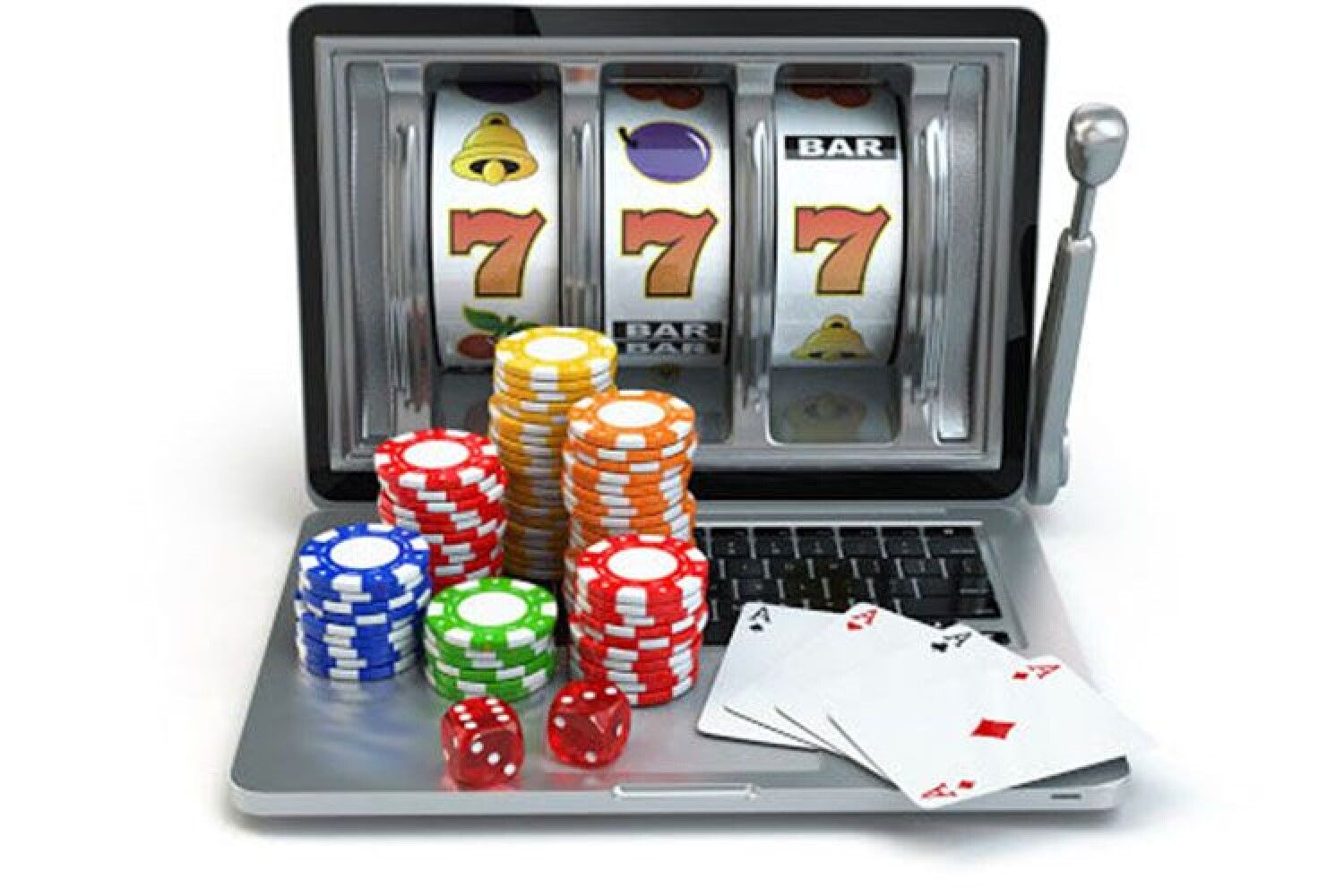
Your Guide to Responsible Gambling
As the landscape of online casinos continues to evolve, it’s essential to prioritize responsible gambling practices. Finding reputable platforms is crucial for ensuring a safe and enjoyable gaming experience. Many websites offer resources to help players understand their behavior and promote healthy gambling habits.
By focusing on informed choices and understanding the psychology behind high-stakes gambling, players can enjoy the thrill of the game while minimizing risks. Engaging with trustworthy sources will provide support and guidance, enhancing the overall gambling experience while encouraging responsible play.